

Image Credits: AI Generated
Periods may feel uncomfortable at times, but they’re a healthy and important part of our bodies and should come at their regular time every month. Delayed or irregular periods can be concerning, especially if you’re trying to avoid pregnancy. If you’re trying to conceive, a missed period could be a hopeful sign—though experiences vary for every woman.
Irregular periods are an abnormal variation in cycle length. Women typically have 11 to 13 menstrual periods per year. Periods are irregular if they occur at intervals longer than 35 days, resulting in only 5–6 periods per year.
What Are The Symptoms Of Irregular Periods?
The following are the symptoms of irregular periods :
- Variation in the time duration between two cycles.
- Variation in the number of days that menstrual bleeding lasts
- Abnormal blood loss (maybe an increase or decrease in blood loss during the period).
- Slight irregularity in periods once in a while should not be a cause of concern.
What Are The Major Factors That Affect The Menstrual Cycle In Women?
As we all know that there are many causes based on our lifestyle that can affect our menstrual cycle. Exercising, smoking, drinking, travelling, or taking any kind of hormonal medication can be the reason for the same. Even regular medications like blood pressure drugs, chemotherapy, anti-depressants, etc., can adversely affect a woman’s menstrual cycle.
The following are the major factors that can affect the menstrual cycle in women
-
Eating Disorder:
Severe changes in eating habits or disordered eating patterns can also impact your cycle. If this feels relevant to you, please consider speaking with a healthcare professional.
-
Weight Loss Or Gain:
Sudden weight loss or excessive weight gain may cause inconsistency in periods.
-
Anemia:
When the haemoglobin level is low then there are also chances of irregular periods. Around 50 % of Indian women are anaemic due to a deficiency of iron. Along with Iron supplements, a healthy diet can help reduce anaemia.
-
Menopause:
When menopause strikes, irregular periods are common. Menopause is the stopping of the menstrual cycle, which usually occurs around 50 years (+/- 5 years). So, if you are nearing menopause, you can always consider that it may be a possible reason for irregular periods.
-
Thyroid Disorder:
When the thyroid hormone level goes up or down, it may lead to irregular periods. So it is advisable to visit your gynaecologist and take her opinion.
-
Stress:
Stress and emotional disturbances can disrupt a normal menstrual cycle.
-
Miscarriage:
If you suddenly experience a miscarriage, then your body needs time to regulate the monthly cycle.
-
IUD And Birth Control Pills:
The regularity of menstruation is highly affected by contraceptives.
The menstrual cycle is a natural process beyond our full control. However, some factors, such as reducing stress and anxiety, taking vitamin C supplements and following home remedies, can help the body to begin menstruating normally.
Read More: What Are Period Panties And Why Do You Need Them?
10 DIY Home Remedies For Irregular Periods
#1. Raw Papaya:
Raw papaya is traditionally avoided during pregnancy, as it may stimulate uterine contractions. It’s always best to check with your doctor before including new foods. Raw papaya generates heat that may boost estrogen production. Estrogen is one of the most important hormones that regulates periods and the contraction of uterine muscles.
Raw papaya is also very healthy as it contains nutrients like iron, carotene, iron, calcium, and vitamins A & C.
DIY:
You can eat it raw in a salad, or make it into a yummy smoothie or juice.
Important: Raw papaya should not be consumed during periods, as it will generate a lot of heat. You can use this home remedy before your periods begin.
#2. Ginger
You can consume ginger, which can help to regularise periods by causing contractions of the uterus. It is rich in antioxidants. The easiest way of taking ginger is in the form of Tea.
DIY:
Ginger tea can be taken with lemon, basil or parsley.
#3. Turmeric
Turmeric or Haldi is one of the most commonly found spices in Indian kitchens. If you are experiencing irregular periods, you can use turmeric as it stimulates the production of estrogen. This again serves as a natural aid in regularising menses.
DIY:
Turmeric can be taken regularly with hot milk or hot water on periodic days. Saffron and basil leaves can also be added to turmeric milk to enhance the effect and taste.
It can be taken as long as you like because it has almost no side effects. It is known for its extraordinary health benefits, which include anti-inflammatory and anti-spasm properties.
#4. Fennel Seeds
Fennel seeds, or saunf, are an aromatic and flavorful spice. Emmenagogue properties of fennel seeds promote and regulate menstrual flow. It also has estrogenic properties that may benefit women with hormonal imbalances. It contains vitamin C, potassium, manganese, iron, folate, and fibre and is rich in phytonutrients.
Apart from menstrual benefits, fennel is traditionally used to promote lactation in nursing mothers.
DIY:
- It can be chewed after meals or taken after soaking overnight in water.
- Another way is to grind one teaspoon of fennel seeds to make a fine powder. Add this to one cup of boiling water and boil it for five minutes. Then you can strain this mixture and drink it.
Also Read: Tips To Deal With Period Pains
#5. Sesame Seeds And Jaggery
Sesame seeds or Til and Jaggery are known to relieve the problems of irregular periods as they contain lignans, which help to bind excess hormones.
DIY:
You can make tasty sesame seeds (roasted) and jaggery laddoos as well.
You can also try to add ginger to this. Alternatively, you can make it a habit of having one tablespoon of powdered sesame seeds and cumin seeds regularly in the morning.
#6. Aloe Vera
Aloe vera was popularly known as GhritKumari, as it is known to solve health problems in females. Aloe vera helps in regularising irregular periods by regulating hormones. Aloe vera is rich in amino acids, salicylic acid, folic acid, Vitamin B12, Vitamin A, Vitamin E and Vitamin C.
DIY:
Fresh aloe vera juice (30 ml) daily helps in relieving irregular periods. Have this along with honey to improve the taste.
#7. Vitamin C
Vitamin C supports hormonal balance and iron absorption, contributing to regular periods. It also lowers uterine progesterone, which can help cycle consistency. You can get your daily requirement of vitamin C easily from fruits and vegetables lemons, oranges, tomatoes, etc.
Lemon juice also cleanses the body. Indian gooseberry, or amla, is again an excellent source of vitamin C.
DIY:
Make a yummy fruit salad or salad that includes many citrus fruits as well.
Vitamin C is also known to increase iron absorption, which helps in reducing anaemia in women.
#8. Cinnamon
Cinnamon or Dalchini is a warm spice that helps to improve menstrual flow, balances hormones, and regularises periods. It relieves pain and cramps as well during bleeding.
DIY:
- Drinking a glass of milk with cinnamon powder on a daily basis can give good results.
- You can also try adding cinnamon to your daily cup of tea.
- Or you could just sprinkle cinnamon on any juice or smoothie.
#9. Fruits And Fruit Juices
DIY:
Fruit and Fruit juices, especially carrots, aloe vera, sugar cane, and grapes, are known home remedies for irregular periods.
Juices help in balancing female sex hormones and boosting hormone production.
Carrot juice is a very rich source of iron. It also contains a good amount of vitamin A, vitamin C, calcium, and magnesium, which helps in regularising periods. Be sure you include seasonal fruit juices in your diet in the form of mixed fruit juices or mocktails.
#10. Coriander
Coriander has emmenagogue properties, which help in improving and normalising the menstrual cycle. Emmenagogue is a substance that stimulates menstrual flow. Both coriander seeds and fresh coriander leaves are equally effective in relieving the problem of irregular periods.
DIY:
You can consume by boiling coriander seeds in water till it becomes half the quantity, then strain it and drink the coriander water twice or thrice daily.
It also has anti-inflammatory properties.
Dos And Don’ts To Follow
Dos
- Exercise Regularly: Exercising regularly, 4 to 5 days a week, will help you.
- Distressing Technique: Practice yoga, relaxation techniques, and meditation for de-stressing yourself.
- Keep A Check On Body Weight: You should track your body weight.
- Take Multi-Vitamins Supplements: Multi-vitamins are a good choice if you feel your diet is not adequate to provide a sufficient amount of required vitamins and minerals.
- Take A Healthy And Nutritious Diet: It is highly recommended to include whole grains, lean meats, and low-fat dairy products. Please avoid skipping meals and try to increase vegetables and fruit in your diet.
- Water Intake: Always keep yourself well hydrated.
- Stress Management: Learn meditation and yoga to calm down. Sometimes take out time for yourself and love doing what you like. Pamper yourself with a spa day. Or joining online support groups is a good option. You might find comfort in knowing many women share similar experiences—it can be reassuring to connect with others on the same journey.
- Take Adequate And Peaceful Sleep. So it is very important to maintain a healthy lifestyle that includes sleeping well.
- Some women also explore Ayurvedic tonics like Hempushpa, though it’s important to consult your doctor before starting any new remedy.
Don'ts
- Avoid strenuous physical activities
- Avoid smoking
- Avoid aerated drinks, alcohol, and other beverages containing caffeine
- Don’t overdose on birth control pills.
- Avoid junk and processed food.
When Should You See A Doctor For Irregular Periods?

Image Credits: AI Generated
Occasional changes in your menstrual cycle are common and may be influenced by stress, travel, changes in routine, or temporary hormonal fluctuations. However, persistent irregular periods can sometimes indicate an underlying health condition that requires medical attention.
Consult a healthcare professional if you experience any of the following:
-
Your periods stop for more than three consecutive months and you are not pregnant.
-
Your menstrual cycle is consistently shorter than 21 days or longer than 35 days.
-
You experience unusually heavy bleeding that soaks through pads or tampons every hour.
-
Your periods last longer than seven days.
-
You have severe pelvic pain, dizziness, or fatigue during your period.
-
You notice bleeding or spotting between periods.
-
Your cycle suddenly becomes irregular after being regular for years.
-
You are trying to conceive and have concerns about ovulation or fertility.
Early diagnosis and treatment can help manage underlying conditions and support better reproductive health.
ACOG: Abnormal Uterine Bleeding FAQ
Can PCOS Cause Irregular Periods?

Image Credits: AI Generated
Yes, polycystic ovary syndrome (PCOS) is one of the most common causes of irregular periods.
PCOS is a hormonal condition that affects how the ovaries function. It can interfere with ovulation, leading to missed, delayed, or unpredictable menstrual cycles.
Common symptoms of PCOS include:
-
Irregular or absent periods
-
Excess facial or body hair growth
-
Acne or oily skin
-
Unexplained weight gain
-
Difficulty losing weight
-
Thinning hair or hair loss
-
Difficulty getting pregnant
If you experience several of these symptoms along with irregular periods, consult a healthcare professional for proper evaluation and diagnosis.
WHO: Polycystic Ovary Syndrome (PCOS) Fact Sheet
Common Medical Conditions Linked To Irregular Periods
While lifestyle factors can influence your cycle, certain medical conditions may also contribute to irregular periods.
These include:
-
Thyroid disorders: An underactive or overactive thyroid can affect hormone production and disrupt menstrual cycles.
-
Anaemia: Low iron levels may contribute to fatigue and changes in menstrual patterns.
-
Endometriosis: This condition occurs when tissue similar to the uterine lining grows outside the uterus and can cause painful or irregular periods.
-
Uterine fibroids: Non-cancerous growths in the uterus may lead to heavy or prolonged bleeding.
-
Perimenopause: Hormonal changes before menopause often result in cycle irregularities.
-
Diabetes: Blood sugar imbalances may affect hormone regulation.
-
Eating disorders: Restrictive eating habits can disrupt ovulation and menstrual health.
If irregular periods continue despite lifestyle changes or home remedies, speak with a healthcare provider to identify the underlying cause.
How Lifestyle Changes Can Support A Healthy Menstrual Cycle
Simple lifestyle habits can play an important role in maintaining hormonal balance and supporting regular menstrual cycles.
Here are a few habits that may help:
-
Aim for 7 to 9 hours of quality sleep every night.
-
Practice stress-management techniques such as yoga, meditation, or deep breathing exercises.
-
Stay physically active with moderate exercise most days of the week.
-
Maintain a healthy body weight, as sudden weight changes can affect hormone levels.
-
Drink enough water throughout the day to stay hydrated.
-
Eat a balanced diet rich in fruits, vegetables, whole grains, lean proteins, and healthy fats.
Consistency is key. Small, sustainable lifestyle changes can positively impact your overall reproductive health over time.
Office on Women's Health: Menstrual Cycle Basics
Foods To Eat And Foods To Avoid For Irregular Periods

Image Credits: AI Generated
A nutrient-rich diet can support hormonal health and help maintain a healthy menstrual cycle.
Foods to Include
-
Iron-rich foods such as spinach, lentils, beans, dates, and lean meats
-
Vitamin C-rich foods like oranges, lemons, amla, strawberries, and bell peppers
-
Omega-3-rich foods including walnuts, flaxseeds, and fatty fish
-
Whole grains such as oats, brown rice, and quinoa
-
Protein-rich foods like eggs, paneer, tofu, yogurt, and legumes
-
Fresh fruits and vegetables
Foods to Limit
-
Highly processed foods
-
Sugary beverages and snacks
-
Excess caffeine
-
Alcohol
-
Smoking and tobacco products
-
Excessively salty foods
Making mindful food choices can help support overall well-being and hormonal balance.
Are Home Remedies Safe For Everyone?
Natural remedies may support menstrual health, but they are not suitable for everyone.
Before trying any home remedy, keep the following points in mind:
-
Some ingredients may interact with medications.
-
Certain remedies may not be safe during pregnancy or breastfeeding.
-
Individuals with medical conditions such as diabetes, thyroid disorders, or hormonal imbalances should consult a healthcare professional before making significant dietary changes.
-
Allergies and food sensitivities should always be considered.
-
Home remedies should not replace prescribed medical treatments.
If your symptoms worsen or persist despite trying home remedies, seek medical advice.
Disclaimer: The information shared in this article is for educational purposes only and is not intended to diagnose, treat, cure, or prevent any medical condition. Always consult a qualified healthcare professional before trying new remedies, especially if you have an existing health condition, are pregnant, or are taking medications.
When Should You See A Doctor For Irregular Periods?
Occasional changes in your menstrual cycle are common and may be influenced by stress, travel, changes in routine, or temporary hormonal fluctuations. However, persistent irregular periods can sometimes indicate an underlying health condition that requires medical attention.
Consult a healthcare professional if you experience any of the following:
-
Your periods stop for more than three consecutive months and you are not pregnant.
-
Your menstrual cycle is consistently shorter than 21 days or longer than 35 days.
-
You experience unusually heavy bleeding that soaks through pads or tampons every hour.
-
Your periods last longer than seven days.
-
You have severe pelvic pain, dizziness, or fatigue during your period.
-
You notice bleeding or spotting between periods.
-
Your cycle suddenly becomes irregular after being regular for years.
-
You are trying to conceive and have concerns about ovulation or fertility.
Early diagnosis and treatment can help manage underlying conditions and support better reproductive health.
Can PCOS Cause Irregular Periods?
Yes, polycystic ovary syndrome (PCOS) is one of the most common causes of irregular periods.
PCOS is a hormonal condition that affects how the ovaries function. It can interfere with ovulation, leading to missed, delayed, or unpredictable menstrual cycles.
Common symptoms of PCOS include:
-
Irregular or absent periods
-
Excess facial or body hair growth
-
Acne or oily skin
-
Unexplained weight gain
-
Difficulty losing weight
-
Thinning hair or hair loss
-
Difficulty getting pregnant
If you experience several of these symptoms along with irregular periods, consult a healthcare professional for proper evaluation and diagnosis.
Common Medical Conditions Linked To Irregular Periods
While lifestyle factors can influence your cycle, certain medical conditions may also contribute to irregular periods.
These include:
-
Thyroid disorders: An underactive or overactive thyroid can affect hormone production and disrupt menstrual cycles.
-
Anaemia: Low iron levels may contribute to fatigue and changes in menstrual patterns.
-
Endometriosis: This condition occurs when tissue similar to the uterine lining grows outside the uterus and can cause painful or irregular periods.
-
Uterine fibroids: Non-cancerous growths in the uterus may lead to heavy or prolonged bleeding.
-
Perimenopause: Hormonal changes before menopause often result in cycle irregularities.
-
Diabetes: Blood sugar imbalances may affect hormone regulation.
-
Eating disorders: Restrictive eating habits can disrupt ovulation and menstrual health.
If irregular periods continue despite lifestyle changes or home remedies, speak with a healthcare provider to identify the underlying cause.
How Lifestyle Changes Can Support A Healthy Menstrual Cycle

Image Credits: AI Generated
Simple lifestyle habits can play an important role in maintaining hormonal balance and supporting regular menstrual cycles.
Here are a few habits that may help:
-
Aim for 7 to 9 hours of quality sleep every night.
-
Practice stress-management techniques such as yoga, meditation, or deep breathing exercises.
-
Stay physically active with moderate exercise most days of the week.
-
Maintain a healthy body weight, as sudden weight changes can affect hormone levels.
-
Drink enough water throughout the day to stay hydrated.
-
Eat a balanced diet rich in fruits, vegetables, whole grains, lean proteins, and healthy fats.
Consistency is key. Small, sustainable lifestyle changes can positively impact your overall reproductive health over time.
Foods to Eat and Foods to Avoid for Irregular Periods
A nutrient-rich diet can support hormonal health and help maintain a healthy menstrual cycle.
Foods to Include
-
Iron-rich foods such as spinach, lentils, beans, dates, and lean meats
-
Vitamin C-rich foods like oranges, lemons, amla, strawberries, and bell peppers
-
Omega-3-rich foods including walnuts, flaxseeds, and fatty fish
-
Whole grains such as oats, brown rice, and quinoa
-
Protein-rich foods like eggs, paneer, tofu, yogurt, and legumes
-
Fresh fruits and vegetables
Foods to Limit
-
Highly processed foods
-
Sugary beverages and snacks
-
Excess caffeine
-
Alcohol
-
Smoking and tobacco products
-
Excessively salty foods
Making mindful food choices can help support overall well-being and hormonal balance.
Are Home Remedies Safe for Everyone?
Natural remedies may support menstrual health, but they are not suitable for everyone.
Before trying any home remedy, keep the following points in mind:
-
Some ingredients may interact with medications.
-
Certain remedies may not be safe during pregnancy or breastfeeding.
-
Individuals with medical conditions such as diabetes, thyroid disorders, or hormonal imbalances should consult a healthcare professional before making significant dietary changes.
-
Allergies and food sensitivities should always be considered.
-
Home remedies should not replace prescribed medical treatments.
Cleveland Clinic: Irregular Periods (Abnormal Menstruation)
If your symptoms worsen or persist despite trying home remedies, seek medical advice.
Disclaimer: The information shared in this article is for educational purposes only and is not intended to diagnose, treat, cure, or prevent any medical condition. Always consult a qualified healthcare professional before trying new remedies, especially if you have an existing health condition, are pregnant, or are taking medications.
Frequently Asked Questions About Irregular Periods
Can stress delay periods?
Yes. High stress levels can affect hormones that regulate your menstrual cycle, which may lead to delayed or missed periods.
Can irregular periods affect fertility?
Irregular periods may sometimes indicate irregular ovulation, which can affect fertility. If you are trying to conceive and have irregular cycles, consult a healthcare professional.
How many days late is considered irregular?
Menstrual cycles that consistently occur less than 21 days apart or more than 35 days apart are generally considered irregular.
Can weight loss affect periods?
Yes. Sudden weight loss, excessive exercise, or restrictive eating habits can disrupt hormone levels and affect ovulation.
Are irregular periods normal during puberty?
Yes. It is common for menstrual cycles to be irregular during the first few years after menstruation begins as hormone levels stabilize.
Can thyroid problems affect menstrual cycles?
Yes. Both an underactive and overactive thyroid can affect hormone balance and lead to changes in menstrual patterns.
Which vitamin deficiency causes irregular periods?
Deficiencies in iron, vitamin D, vitamin B12, and other essential nutrients may affect overall menstrual health.
Can exercise stop periods?
Excessive or intense exercise without adequate nutrition may disrupt hormone levels and cause missed or irregular periods.
How long should I try home remedies before seeing a doctor?
If your periods remain irregular for more than three months or your symptoms worsen, consult a healthcare professional.
Do irregular periods always mean PCOS?
No. Irregular periods can have many causes, including stress, weight changes, thyroid disorders, medications, perimenopause, and other hormonal conditions.
Conclusion
Irregular periods are a common issue that can be caused by a variety of factors. Many home remedies can help regulate your menstrual cycle. These include maintaining a healthy weight, reducing stress, incorporating certain foods into your diet and using herbal remedies.
It is important to note that not all remedies may work for everyone, and it may take some trial and error to find what works best for you. Additionally, it is always recommended to seek medical advice before trying any new remedies, particularly if you have underlying medical conditions or are taking medication. By taking a holistic approach to your health and well-being, you can improve your menstrual cycle and feel more in control of your body.
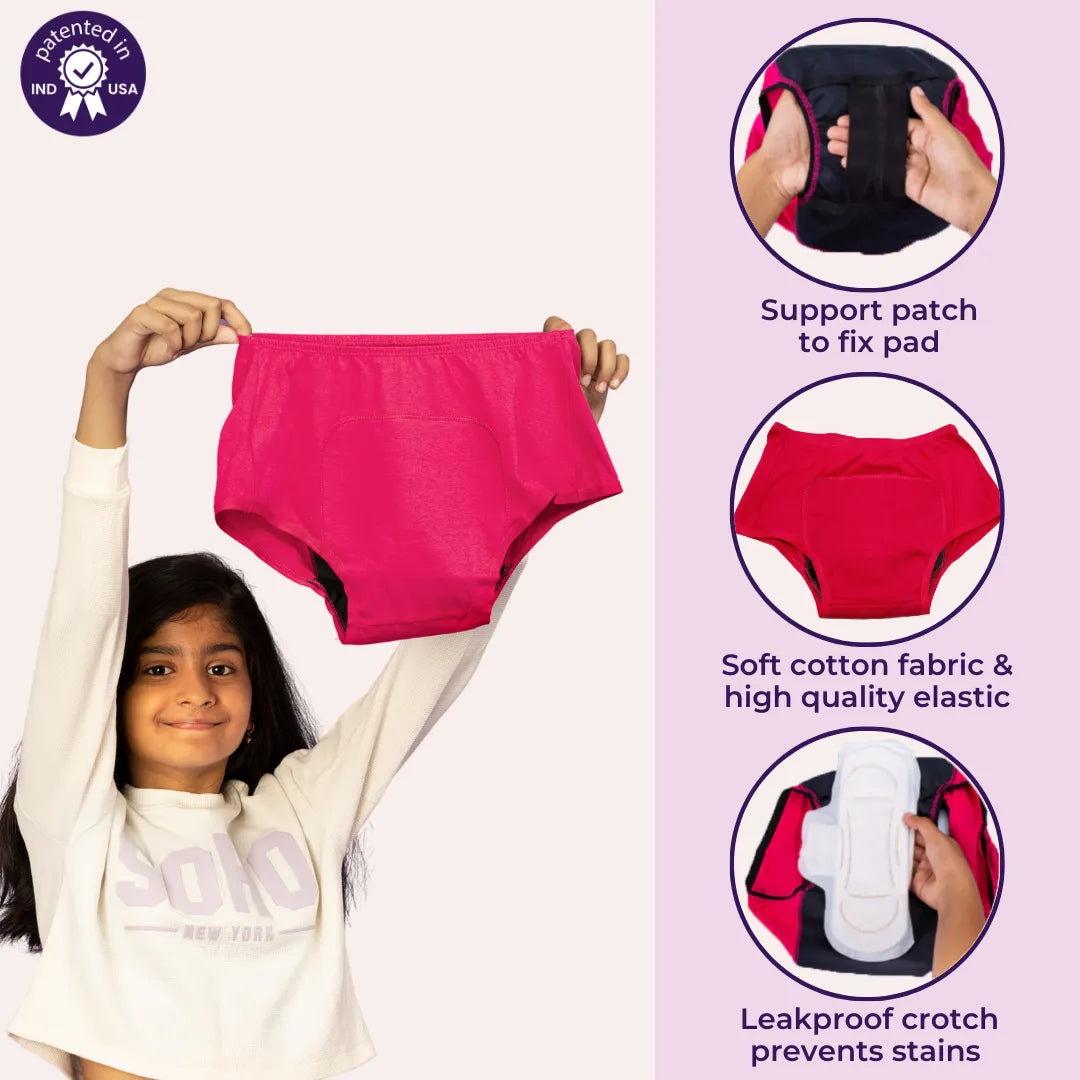
Managing period pain or flow can be challenging, but supportive tools like period panties can help many women feel more at ease while going about their day. Period panties can go a long way in reducing stains and helping you to travel freely, even when you have irregular periods or a heavy flow.
We hope you found these home remedies for irregular periods useful.
Do you suffer from irregular periods? What home remedies have worked for you? Share in the comments below!
Shop all Adira essentials, including period panties for an extra 10% off using code "PERIODREMEDIES"
Disclaimer:
This content is provided for educational and informational purposes only and does not constitute medical advice. Readers should consult a qualified healthcare professional before making health-related decisions.