

Image Credits: AI Generated
If Your Bra Feels Annoying All Day, You’re Probably Wearing It Wrong
Let’s be honest if your bra straps keep slipping, the cups gape, the band rides up, or you feel desperate to take it off the second you get home, something isn’t right.
And no it’s not your body.
The real issue is that most people are never taught how to wear a bra correctly. They buy one, put it on, adjust it all day, and assume discomfort is normal.
It’s not.
A bra should feel supportive, secure, comfortable, and almost unnoticeable when it fits well and is worn properly.
The good news? A few small changes can completely transform how your bra feels.
In this guide, you’ll learn:
-
The correct way to wear a bra step by step
-
Why bras feel uncomfortable
-
Common bra problems and instant fixes
-
How to check if your bra fits properly
-
Mistakes most people make
-
Tips for all-day comfort and support
Let’s fix your fit once and for all.
Why Wearing A Bra Correctly Matters
A bra is not just another layer of clothing. It is designed to support your bust, reduce strain on your shoulders, improve comfort, and help your clothes sit better.
But when a bra is the wrong size or worn the wrong way it can create daily frustration.
Common Signs Something Is Wrong

-
Straps keep falling down - Constant readjustment & lack of support.
-
Back band rides up - Indicates the band is too loose.
-
Cups wrinkle or gape - Too much room in the cups.
-
Underwire pokes skin - Wire pressing into breast tissue.
-
Shoulder marks appear - Straps are digging in, band is loose.
-
You keep adjusting it all day - General discomfort and poor fit.
-
It feels tight, itchy, or uncomfortable - Fabric friction and poor circulation.
The Truth
If your bra causes more problems than support, the issue is usually the fit—not you.
Step-by-Step: How To Wear A Bra Correctly
Follow these steps every time for better comfort and support.
Step 1: Start With The Right Size
Even an expensive bra won’t feel good if the size is wrong.
Signs Your Bra Is Too Small
-
Cups overflow
-
Band feels painfully tight
-
Underwire digs in
-
Straps pull hard
Signs Your Bra Is Too Big
-
Cups wrinkle
-
Band rides up
-
Straps fall down
-
No support
Quick Tip
Your bra size can change due to weight changes, hormones, age, pregnancy, or exercise. Recheck your size regularly.
Step 2: Put Your Arms Through The Straps
Slip your arms through the straps and place them comfortably on your shoulders.
Check that:
-
Straps are not twisted
-
Cups face forward
-
Bra sits evenly on both sides
Common Problem
One strap feels tighter than the other.
Quick Fix
Adjust both straps to the same length.
Step 3: Fasten The Band Properly
Hook the bra at the back. If that’s difficult, fasten it in front first and gently rotate it around.
Important Rule
Always start a new bra on the loosest hook.
Why? Because the band stretches over time. The tighter hooks are for later.
Common Problem
It feels too tight to close.
Quick Fix
Try a bra extender or go up one band size.
Step 4: Lean Forward Slightly
Lean forward a little and let your breast tissue settle naturally into the cups.
This helps everything sit in the right place.
Step 5: Use The Scoop And Swoop Method
This is the game-changer.
Use your opposite hand to gently scoop tissue from the side and underneath into the cup. Repeat on both sides.
Why It Matters
Many people leave tissue sitting near the underarm area, which causes side bulges and poor cup fit.
Common Problem
Overflow or side bulge.
Quick Fix
Always scoop and swoop after putting on your bra.
Step 6: Check The Band Position
The band should sit:
-
Straight across your back
-
Parallel to the floor
-
Snug, not painful
Common Problem
The back band rides up.
Quick Fix
Your band is too loose. Try a smaller band size.
Remember: the band gives most of the support—not the straps.
Step 7: Adjust The Straps
Now adjust the straps so they feel secure but comfortable.
Perfect Rule
You should be able to slide two fingers under each strap.
If Straps Keep Falling
-
Tighten them slightly
-
Try a different style
-
Choose racerback bras
If Straps Dig In
-
Loosen them
-
Check if your band is too loose
Biggest Bra Mistakes To Avoid
1. Wearing The Same Size For Years
Your body changes. Your bra size can too.
2. Tightening Straps Too Much
This causes pain and shoulder marks.
3. Ignoring The Band Fit
The band should do most of the support work.
4. Skipping Scoop And Swoop
This leads to poor fit and bulges.
5. Keeping Old Bras Too Long
Bras lose elasticity and support over time.
Why Your Bra Is Hurting You: The Science Of A Better Fit
Many people think bra discomfort is normal. It isn’t. If your straps dig in, your band rides up, your cups gape, or you feel shoulder, neck, or breast discomfort by the end of the day, the issue is often fit, support, or fabric choice—not something you simply have to tolerate. Your original text reviewed common problems, and below is a medically stronger, evidence-based version of the same blog concept with safer claims and real sources.

Wearing an ill-fitting bra is not just a matter of style; it has documented medical consequences. A tight bra can compress nerves and blood vessels in the delicate chest region, causing aching and soreness that is sometimes mistakenly attributed to cardiovascular issues.
Furthermore, poor air circulation and constant friction can lead to Intertrigo (a reddish, itchy rash between skin folds) and "Boobne" (acne caused by trapped dirt, oil, and bacteria). Chronic poor support may also contribute to long-term musculoskeletal issues, including back, neck, and shoulder pain, and permanent "shoulder grooves" in soft tissue.
The Medical Proof: Clinical research indicates that garment pressure exceeding 4 kPa (kilopascals) is considered harmful to the human body, potentially causing visceral displacement and suppressing physiological comfort.
Source URL: Sports Bra Pressure: Effect on Wear Comfort - MDPI
Why Bra Fit Matters More Than Most People Realize
A bra is a wearable support garment. When it fits well, it can help distribute weight more comfortably, reduce excessive breast movement, and improve comfort during daily activity or exercise. When it fits poorly, it may contribute to pressure points, skin irritation, and musculoskeletal discomfort.
Bra size can also change over time due to weight fluctuations, menstrual cycle changes, pregnancy, breastfeeding, aging, or hormonal shifts. That means a size that worked last year may not be ideal now.
Clinical Source
https://www.nhs.uk/conditions/breast-pain/
Can A Badly Fitted Bra Cause Pain?
A poorly fitted bra can contribute to discomfort, especially in people with heavier breasts or during movement. Research has linked inadequate breast support with increased breast pain during exercise and greater upper-body discomfort.
Large breast weight can also increase load on the neck, shoulders, and back, which may worsen posture-related pain in some individuals.
Clinical Source
https://www.aafp.org/pubs/afp/issues/2019/0415/p505.html
Skin Problems: Sweat, Friction, And Rashes
The fold beneath the breasts can trap heat and moisture. Combined with friction, this may lead to skin irritation or a rash called intertrigo. Symptoms can include redness, itching, burning, odor, or soreness.
A supportive, breathable bra and keeping the area dry may help reduce recurrence.
Medical Source
https://my.clevelandclinic.org/health/diseases/21693-intertrigo
When To See A Doctor
Bra discomfort is common, but persistent symptoms deserve medical attention. Seek evaluation if you have:
- Ongoing breast pain
- New lump or thickening
- Nipple discharge
- Skin dimpling
- Severe rash or infection
- One-sided swelling
- Unexplained changes in breast shape
Medical Source
https://www.aafp.org/pubs/afp/issues/2019/0415/p505.html
The Ultimate 5-Step Guide To Wearing A Bra Correctly

Step 1: The "Lean-In" Position
Start by putting your arms through the straps and letting the cups rest against your bust. Lean forward at the waist so your upper body is roughly parallel to the ground as you settle your breasts into the cups.
Step 2: Secure The Band On The Loosest Hook
While still leaning forward, reach behind and fasten the hooks. Always start on the loosest hook when the bra is new. As the elastic band naturally stretches over time, you can move to tighter hooks to maintain the necessary support.
Step 3: The "Scoop And Swoop" Technique
This is the most critical step for breast health. While wearing the bra, reach one hand into the opposite cup, starting from the side near the armpit. Gently slide all breast tissue forward and into the cup. This ensures the underwire sits on the "breast root" (where the breast meets the chest wall) rather than on the tissue itself.
Step 4: Adjust Straps For Balance
Stand up and adjust the sliders so the straps fit snugly but do not dig in. Straps are meant to assist in balancing the weight, not carry the full load.
The Medical Proof: Overly tight straps are a primary cause of tension headaches and neck pain. Studies show the bony joints of the shoulder can tolerate slightly higher pressure than the ribcage, but only if the band provides the foundational support.
Step 5: The Final Fit Check

Perform a quick diagnostic:
Center Gore: The middle piece must lie flat against your sternum.
The Band: It should be level and parallel to the floor all the way around, never riding up your back.
No Spillage: There should be no "double-breast" effect over the top or sides.
Common Bra Problems, Why They Happen & Best Adira Bra Solutions
| Problem / Pain Point | Why It Happens | Best Adira Product Solution | Best For |
|---|---|---|---|
| First-time bra wearer feels confused about what to choose | Needs soft support, beginner-friendly comfort, and easy fit | Beginners Bra | Teens starting their bra journey |
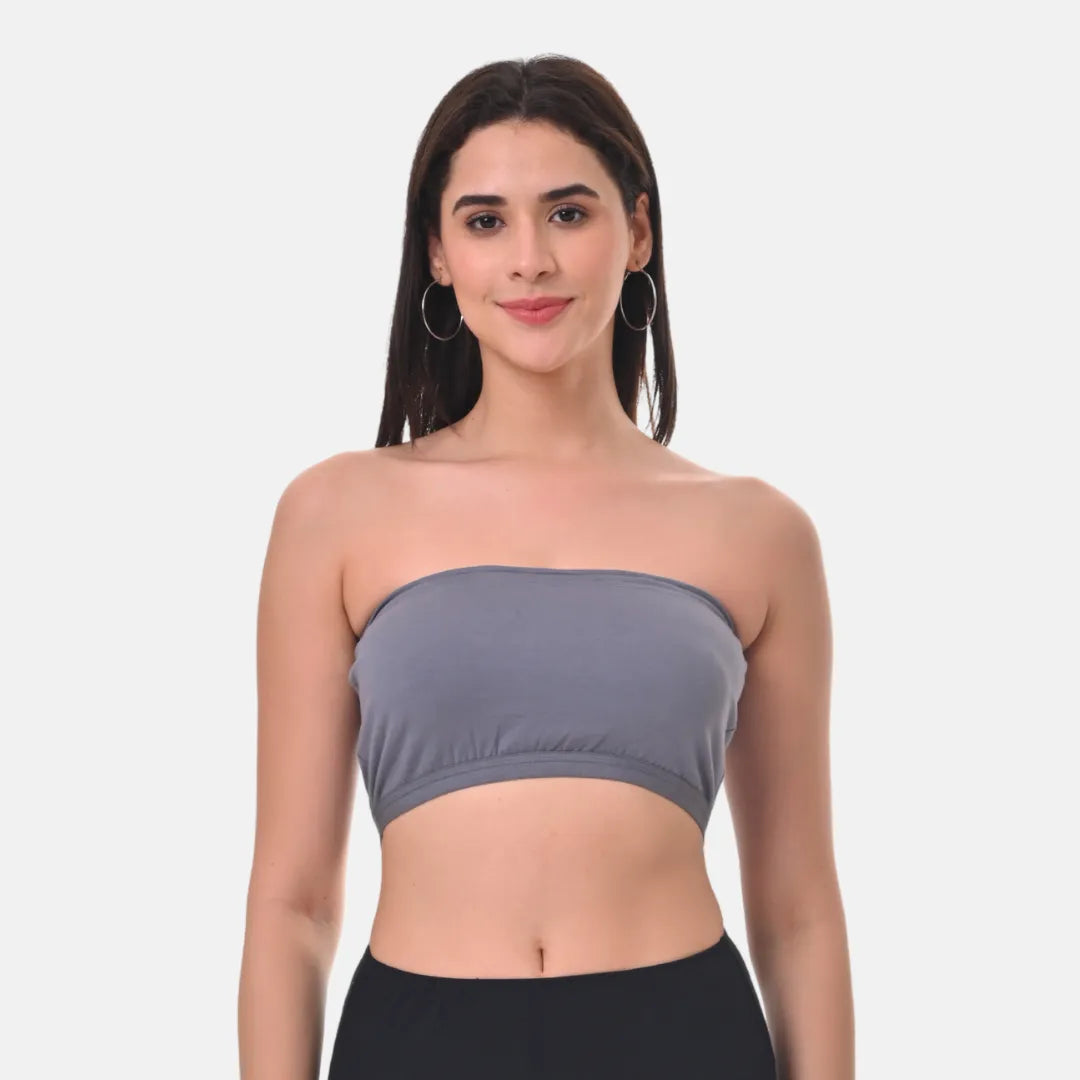
| Need a strapless bra for off-shoulder outfits | Regular straps show under trendy outfits | Tube Bra | Off-shoulder tops, dresses, party wear |
| Need support during workouts or sports | Movement needs bounce control and secure support | Sports Bra | Sports, gym, dance, activewear |
| Need extra comfort at night | Regular bras feel tight or uncomfortable while sleeping | Sleep Bra | Night wear, lounging, restful sleep |
| Breast discomfort during pregnancy | Body changes need soft stretch support and flexibility | Pregnancy Bra | Maternity comfort, daily wear |
| Leakage stains clothes during postpartum | Needs absorbent protection with nursing comfort | Leakproof Sleep Nursing Bra | Postpartum care, nursing moms |
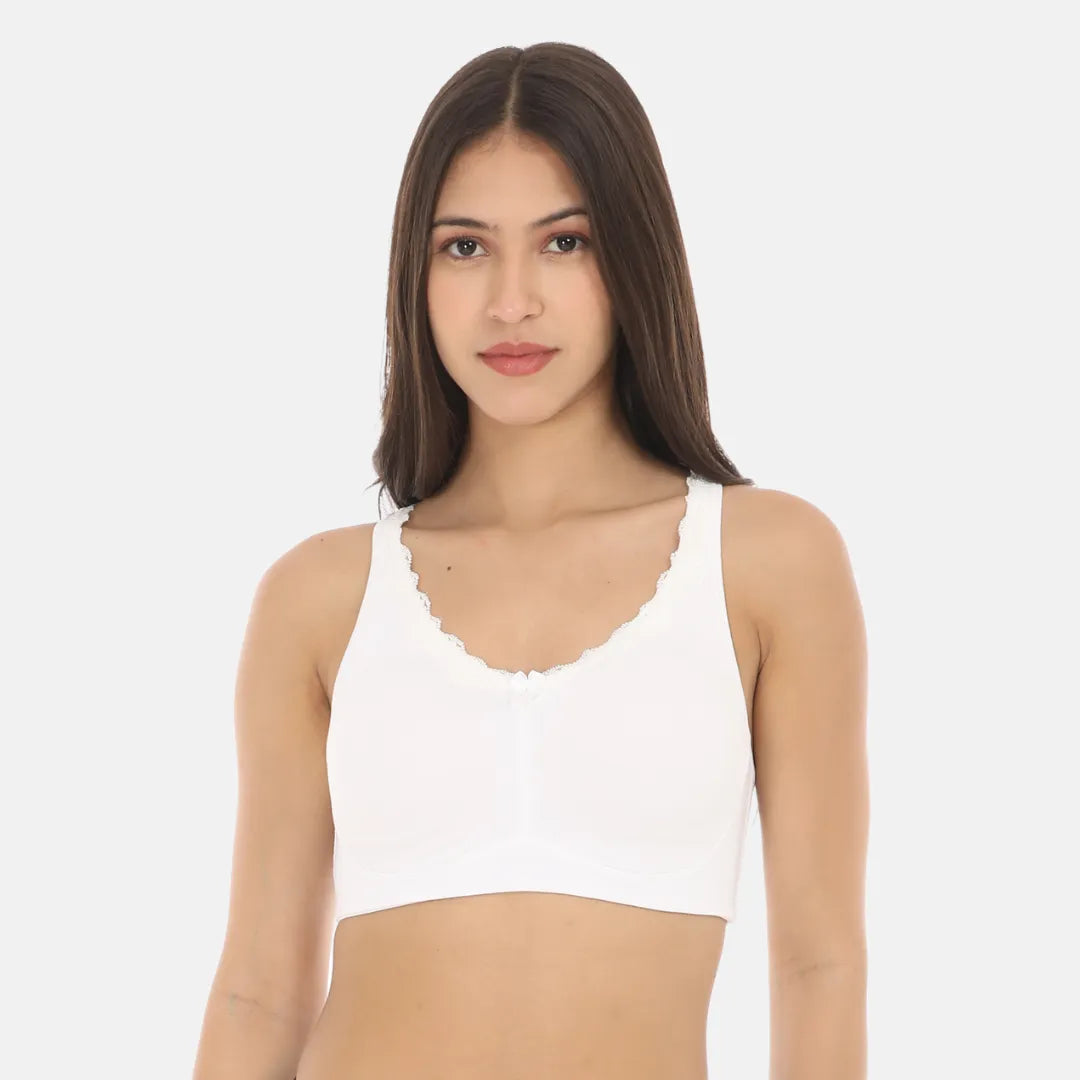
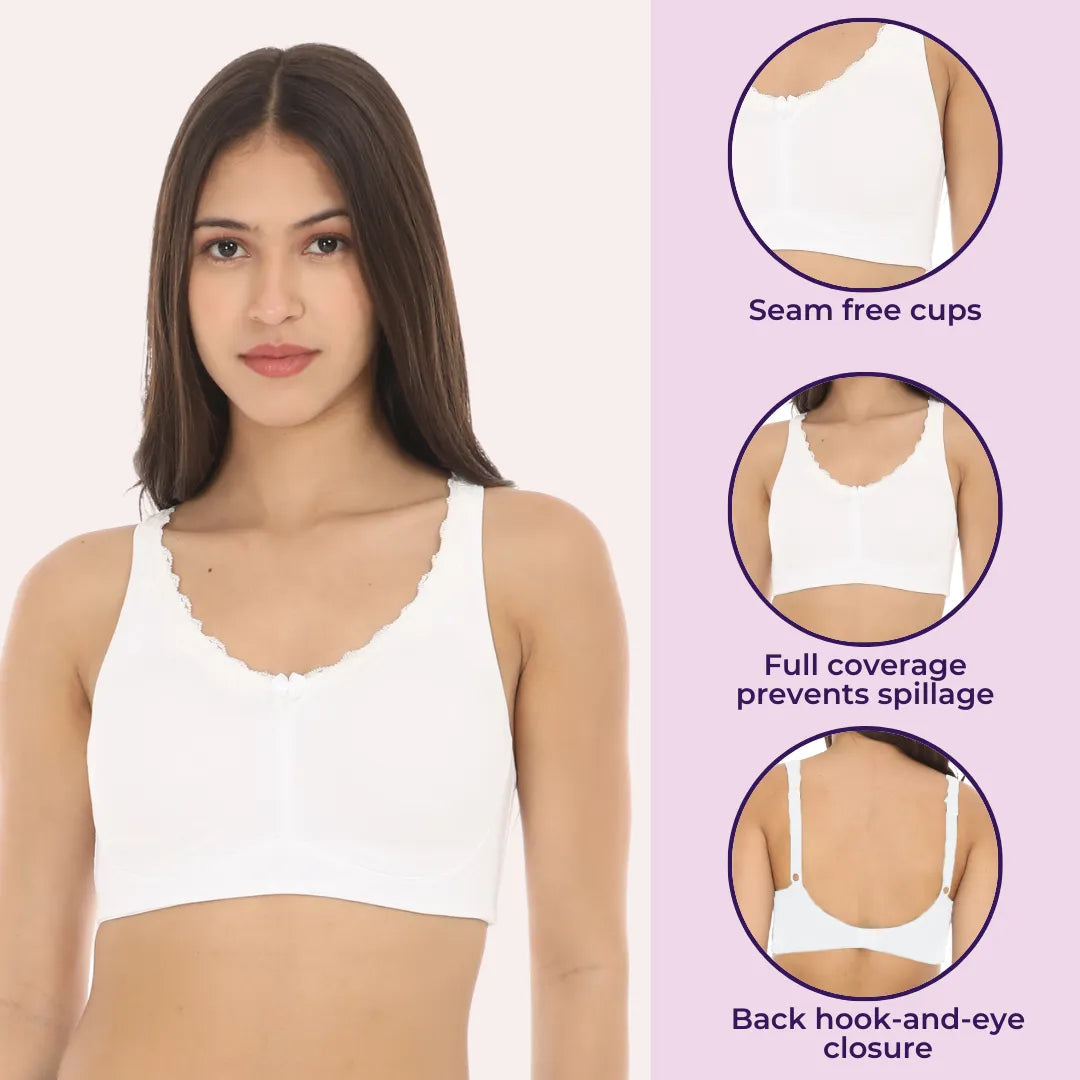
| Hard to wear back-hook bras every day | Back closure feels difficult, especially for seniors and women with shoulder pain | Women Front Open Bra / Senior Front Open Bra | Easy wear, seniors, daily comfort |
Final Thoughts
Learning how to wear a bra correctly can instantly improve your daily comfort.
The right bra should support you, not distract you.
Remember this simple formula:
Right Size + Proper Hooking + Scoop & Swoop + Good Strap Fit = All-Day Comfort
If your current bra annoys you every day, don’t ignore it. A few small changes can make a huge difference.
Because when your bra fits right, everything feels better.
FAQs:
1. Why does my bra feel uncomfortable all day?
Your bra may be the wrong size, style, or fit. Tight straps, loose bands, or wrong cups can cause discomfort. A good bra should feel secure and comfortable all day.
2. How do I know if my bra size is wrong?
Signs include slipping straps, band riding up, cup gaps, spilling, or poking wires. Shoulder pain and constant adjusting are also common signs. If this happens, check your size again.
3. What is the correct way to wear a bra?
Put on the straps and fasten on the loosest hook. Lean forward, place tissue into cups, and scoop and swoop. Then check the band and adjust the straps.
4. Why do my bra straps keep falling down?
Straps usually fall because they are too loose or the band is too loose. Sometimes the bra style may not suit your shoulders. Tighten straps or try a racerback bra.
5. What should a properly fitted bra feel like?
A good bra should feel snug, supportive, and comfortable. The band should stay in place and cups should sit smoothly. You should be able to wear it for hours without pain.