

Image Credits: AI Generated
Have you ever worn a bra that looks fine when you first put it on, but after a few hours the band starts riding up, digging into your skin, or feeling uncomfortable?
The problem may not always be the cups. It could be the bra band.
The band is the part of the bra that wraps around your ribcage and helps keep the bra securely in place. When it fits correctly, it should feel snug and supportive without feeling painfully tight.
But how do you know if your bra band actually fits correctly?
A few simple checks can help you find out.
What Is A Bra Band?
The bra band is the part of the bra that goes around your torso, underneath and behind your breasts.
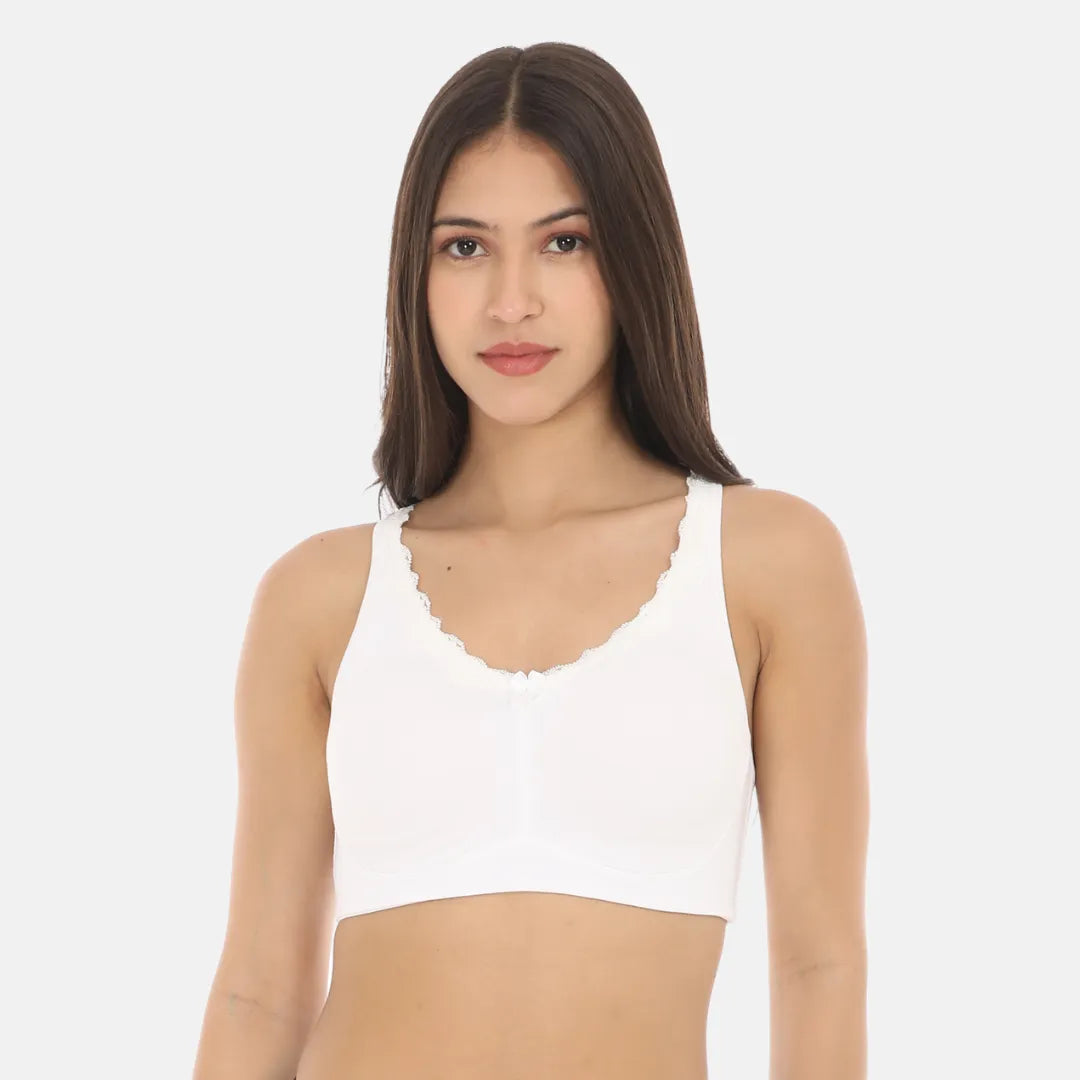
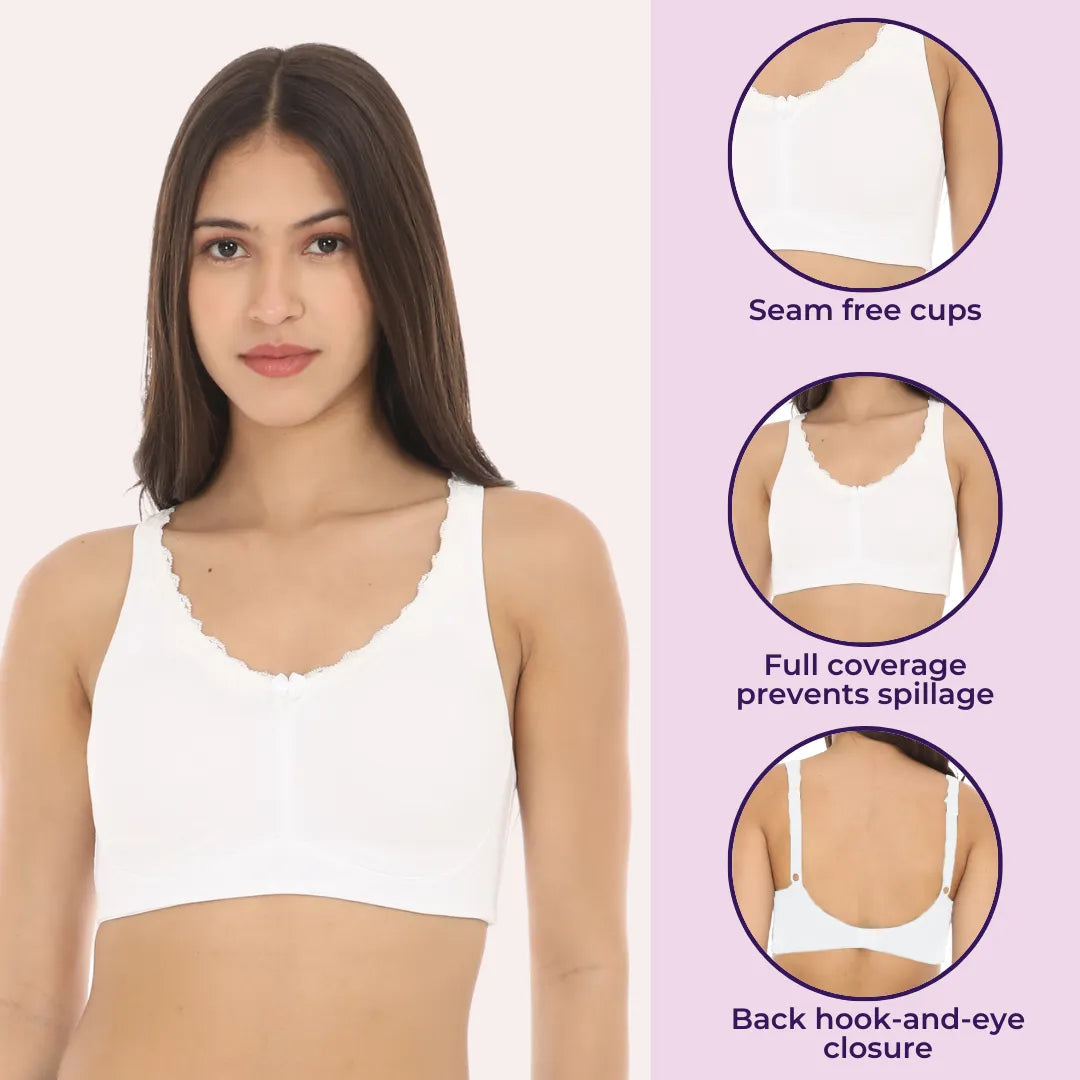
It connects the cups and provides an important foundation for the bra. Depending on the design, a bra may have a traditional hook-and-eye band, a front closure, or a flexible stretch construction.
The right band should feel secure without feeling restrictive.
If the band is too loose, the bra may move around or ride up.
If it is too tight, it may dig into your skin and become uncomfortable.
The goal is to find a band that stays in place while allowing you to move comfortably throughout the day.
Why Is The Bra Band Important?

Image Credits: AI Generated
A bra is made up of several parts that work together, including the band, cups and straps.
The band helps anchor the bra around your body. When it fits properly, the cups can remain in position and the straps don't have to compensate for an unstable band.
A poorly fitting band can contribute to:
-
The back of the bra riding up
-
The bra shifting when you move
-
Straps slipping
-
Excessive pressure around the ribcage
-
Frequent adjustments
-
An uncomfortable overall fit
This is why checking the band should be part of your overall bra-fitting routine.
Research has found that assessing bra fit correctly can improve breast support and help women identify better-fitting bras. PubMed – Optimising breast support through correct bra fit
How Should A Correctly Fitting Bra Band Feel?
A correctly fitting bra band should feel:
Snug: It should sit securely around your body without feeling loose.
Comfortable: It shouldn't cause painful pressure or make you feel restricted.
Stable: It should stay reasonably in place when you move.
Level: The band should sit relatively evenly around your torso instead of riding upward at the back.
Supportive: It should provide a stable foundation for the rest of the bra.
Remember, a tighter band is not automatically a better-fitting band.
The right fit is about finding the balance between support and comfort.
Also Read: Understanding Bra Sizes: A Simple Guide To Better Bra Fit
7 Signs Your Bra Band Fits Correctly

Image Credits: AI Generated
1. The Band Sits Level Around Your Body
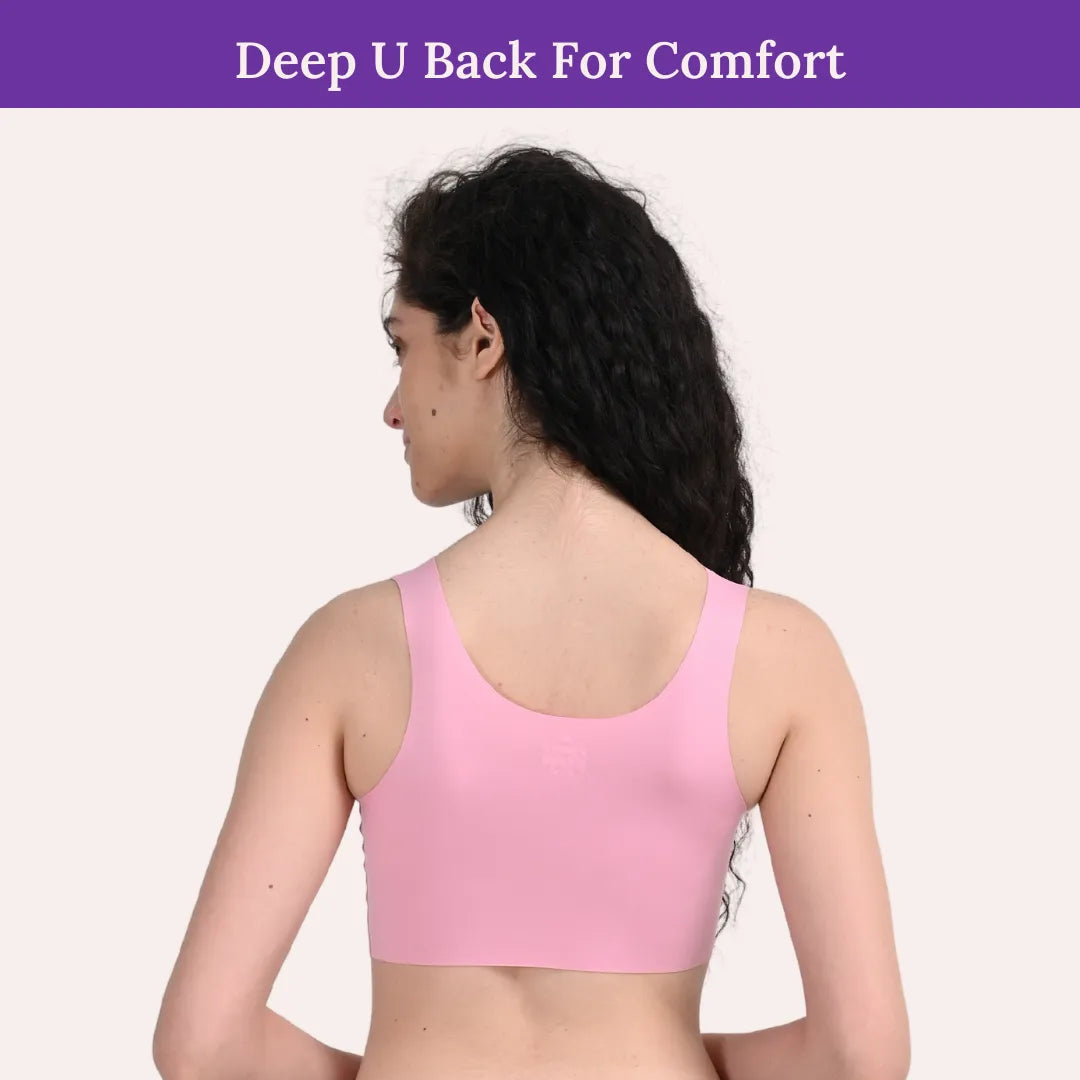
Stand in front of a mirror and look at your bra from the side and back.
The band should sit relatively level around your torso.
If the back of the band is noticeably higher than the front, particularly after you have been moving around, it may indicate that the band is too loose.
Checking the back is important because a bra can look perfectly fine from the front while the band is shifting at the back.
2. The Band Feels Snug, Not Painfully Tight
Your bra band should feel firm enough to stay in place.
However, it shouldn't feel as though it is squeezing your ribcage.
You should be able to:
-
Breathe normally
-
Sit comfortably
-
Move your arms
-
Bend and stretch
-
Wear the bra for several hours
If the band becomes uncomfortable soon after you put the bra on, reassess the fit rather than assuming that tighter means more support.
3. The Band Stays In Place When You Move
Try a simple movement test.
Raise your arms above your head. Move your shoulders. Stretch. Bend forward. Sit down and stand up.
Now notice what happens to the band.
Does it remain reasonably stable?
Or does it move significantly upward or shift around your torso?
A well-fitting band should remain reasonably secure during normal movement.
4. The Band Doesn't Keep Riding Up
A constantly riding-up band is one of the most noticeable signs that something may be wrong with the fit.
You may find yourself pulling the back of your bra down repeatedly throughout the day.
If this happens frequently, check whether the band feels too loose.
However, don't immediately change your band size without checking the rest of the bra. Cup fit, strap adjustment and bra construction can also affect how the bra sits.
5. The Band Doesn't Dig Excessively Into Your Skin
Now check for the opposite problem.
Does the band press deeply into your skin?
Does it feel uncomfortable when you sit, bend or take a deep breath?
A close-fitting bra may leave temporary marks, but significant discomfort or excessive pressure is a reason to reassess the fit.
If the band feels too tight even on the loosest comfortable setting, you may need to reconsider the size or try another bra style.
6. Your Straps Aren't Doing All The Work
Your shoulder straps should help position the cups, but they shouldn't have to compensate for a loose band.
If you keep tightening the straps because your bra doesn't feel secure, check the band first.
An unstable band can cause the entire bra to shift, which may contribute to slipping straps or frequent adjustments.
7. The Bra Remains Comfortable After Several Hours
The final test is one of the most useful:
How does your bra feel after you have actually worn it for a few hours?
A bra may feel comfortable for the first few minutes but become irritating later.
Pay attention to:
-
Band pressure
-
Riding up
-
Strap slipping
-
Cup movement
-
Skin irritation
-
The need to repeatedly adjust the bra
Your bra should fit your everyday life—not just the few minutes you spend checking it in front of a mirror.
Signs Your Bra Band May Be Too Loose
Your band may be too loose if you notice several of these signs:
-
The back band repeatedly rides up.
-
The bra moves when you raise your arms.
-
You frequently pull the band back down.
-
The bra feels unstable when you move.
-
The straps keep slipping.
-
You need the tightest hook to make the bra feel secure.
If several of these signs are present, check your overall bra size and fit.
Signs Your Bra Band May Be Too Tight
Your band may be too tight if:
-
It feels uncomfortable as soon as you put the bra on.
-
It digs deeply into your skin.
-
You feel excessive pressure around your ribcage.
-
You feel restricted while moving.
-
You find it uncomfortable to sit or bend.
-
You constantly want to loosen or remove the bra.
A supportive bra should not need to feel painfully tight.
If you experience persistent breast pain or discomfort, wearing a properly fitted bra may help with general comfort. However, ongoing or unexplained breast pain should be discussed with a healthcare professional. NHS – Breast pain
What If The Band Fits But The Cups Don't?
Sometimes the band feels uncomfortable because the cups aren't fitting correctly.
For example, if the cups are too small, breast tissue may spill over the top or sides, making the entire bra feel tight.
If the cups are too large or the shape doesn't suit you, you may notice gaping or shifting.
When checking your bra, look at the complete fit:
-
Does the band sit level?
-
Do the cups contain the breast tissue comfortably?
-
Is there excessive spilling?
-
Is there significant gaping?
-
Are the straps comfortable?
-
Does the bra remain in place when you move?
A good bra fit is about how all these elements work together.
Should You Be Able To Fit Two Fingers Under The Band?
You may have heard the common advice that you should be able to slide two fingers underneath the bra band.
This can be a useful general guideline, but it shouldn't be treated as a strict rule for every person or every bra.
Different fabrics, elastic strengths, constructions and body shapes can affect how a properly fitting band feels.
Instead of focusing only on the number of fingers, consider the overall fit.
Ask yourself:
Does the band feel comfortably snug?
Does it stay in place?
Can I breathe and move normally?
Does it avoid excessive pressure?
These checks provide a more useful picture of your bra-band fit.
How To Check Your Bra Band At Home
You don't need special equipment to check your bra fit.
Step 1: Put Your Bra On Properly
Make sure the cups are positioned correctly and your breasts are comfortably inside them.
Step 2: Check The Band
Stand naturally in front of a mirror.
Look at the band from the front, side and back.
Check whether it sits relatively level around your body.
Step 3: Move Around
Raise your arms, stretch, bend and sit down.
Notice whether the band remains reasonably stable.
Step 4: Check Your Comfort
Take a few normal breaths and move your upper body.
The band should feel secure without feeling restrictive.
Step 5: Check The Cups and Straps
Finally, check the rest of the bra.
Look for cup spillage, gaping, strap slipping or excessive pressure.
Remember that the band is only one part of the overall fit.
What If Your Bra Band Keeps Riding Up?
If your bra keeps riding up at the back, start by checking whether the band feels loose.
You should also consider:
-
Whether your current bra size is correct
-
Whether the cups fit properly
-
Whether the straps are adjusted correctly
-
Whether the bra construction suits your body
-
Whether another size or style may feel more comfortable
Avoid simply tightening the shoulder straps to solve a riding-up band.
If the band itself isn't providing enough stability, tightening the straps may not fix the underlying problem.
Does Bra Style Affect How the Band Feels?
Yes.
Different bra designs can feel different on the body.
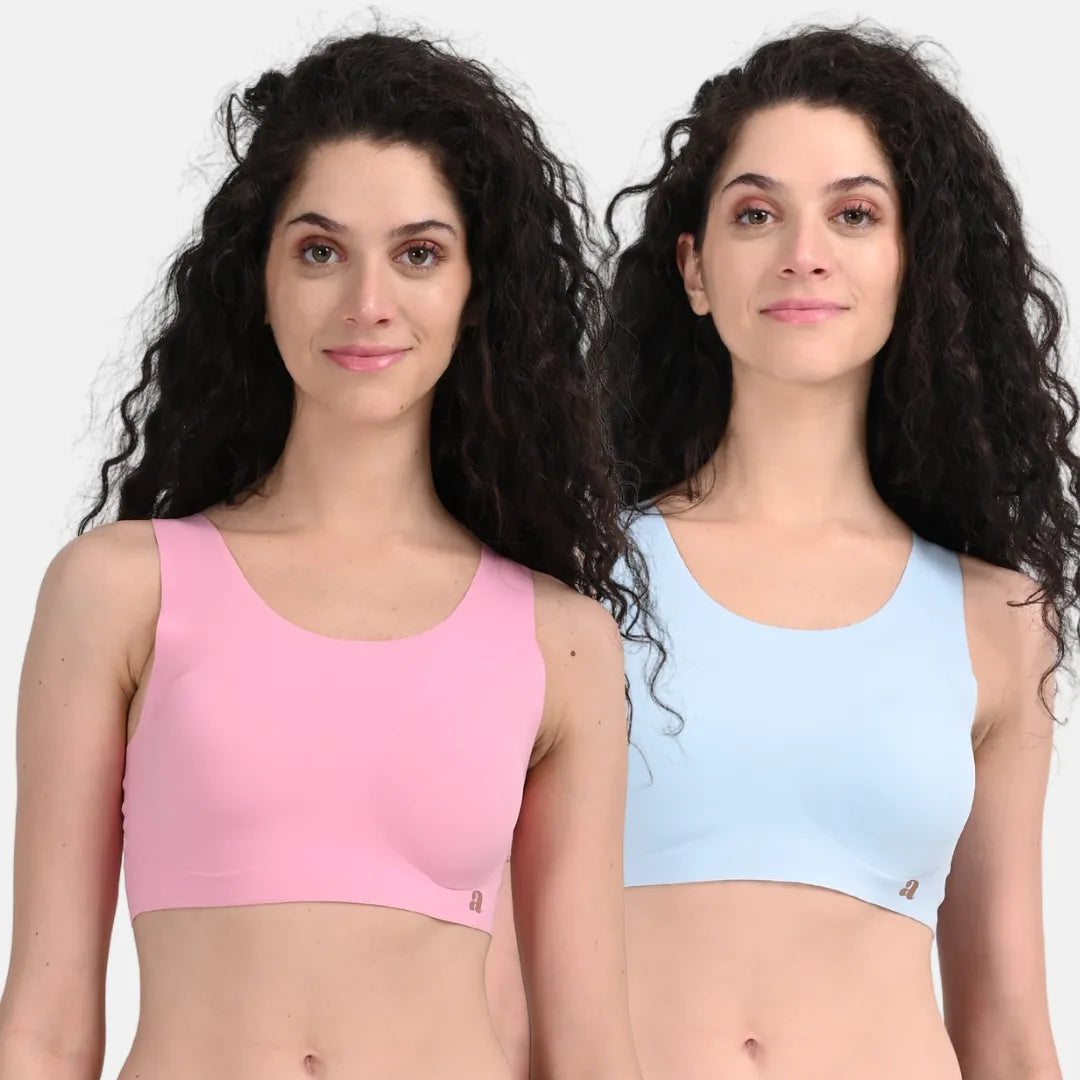
A traditional everyday bra, sports bra, sleep bra, front-open bra and plunge bra can all have different constructions and purposes.
That's why finding a comfortable bra isn't only about knowing your size. Your lifestyle, outfit, preferred coverage and comfort preferences also matter.
The bra collection includes different styles such as Bliss Bras, Front Open Bras, Sleep & Lounge Bras, Sports Bras, T-shirt Bras, Tube Bras and Plunge Bras, along with selected extended-size options.
You can explore the range here: Bra Collection
Research has also examined how different breast-support garments affect breast movement and spinal posture, particularly among women with larger breasts. PubMed – Breast support, fit and posture study
Choosing the Right Bra for Your Everyday Needs
The best bra for you can depend on what you are wearing and what kind of comfort you prefer.
For Everyday Wear
An everyday bra should feel comfortable enough for extended wear and stay in place as you move through your day.
Bliss Bras and T-shirt Bras are designed for different everyday styling and coverage preferences.
For Active Days
If you're exercising or moving more than usual, a sports bra can provide a different type of fit and support.
Sports Bras can be a practical choice for active days when you want a bra designed around movement and support.
For Easier Dressing
Some women prefer front-opening bras because they make putting on and removing a bra simpler.
Front Open Bras offer a front-opening design, with options including non-wired and full-coverage styles.
For Lower Necklines
If you're wearing a lower neckline, the bra style matters as well as the band fit.
Plunge Bras are designed with lower-neckline styling, making them suitable for outfits where a traditional higher neckline may be more visible.
The important thing is to choose a style that works with both your outfit and your comfort needs.
Common Bra Band Mistakes To Avoid
Choosing a Very Loose Band Because It Feels Comfortable
A loose band may feel comfortable initially, but if it keeps moving around, it may not provide the stability you need.
Assuming Tighter Means More Support
A very tight band is not automatically a better band.
Comfort and stability should go together.
Tightening the Shoulder Straps Too Much
If the band is loose, tightening the straps may not solve the underlying fit issue.
Checking Only the Front
Always check the back of the bra.
The band may look fine from the front while riding up behind you.
Ignoring How the Bra Feels Later
Don't judge a bra only during the first few minutes.
Pay attention to how it feels after several hours of normal activity.
Also Read: Extend The Life Of Your Bras & Period Panties With The Right Wash
A Quick Bra Band Fit Checklist
Before deciding that your bra band fits correctly, ask yourself:
✓ Does the band feel snug but comfortable?
✓ Does it sit relatively level around my body?
✓ Does it stay in place when I raise my arms?
✓ Does it avoid excessive digging or pressure?
✓ Can I breathe and move comfortably?
✓ Are the straps comfortable without being excessively tight?
✓ Do the cups fit without excessive spilling or gaping?
✓ Can I wear the bra for several hours without constantly adjusting it?
If most of your answers are yes, you are starting with a good overall fit.
Frequently Asked Questions
How tight should a bra band be?
A bra band should feel snug and secure without causing significant discomfort. It should stay reasonably in place during normal movement without feeling painfully tight.
Why does my bra band ride up at the back?
A band that repeatedly rides up can be a sign that it is too loose. However, cup fit, strap adjustment and bra construction can also affect how the bra sits.
Should I wear a new bra on the tightest hook?
Generally, it is better to start a new bra on the loosest comfortable hook so you have room for adjustment as the elastic changes with wear.
Is it normal for a bra band to leave marks?
Some temporary marks can occur with close-fitting clothing. However, significant pain, excessive pressure or persistent irritation suggests that the fit should be reassessed.
Are bra straps supposed to provide most of the support?
The straps help position the cups, but they should not have to compensate for a loose or unstable band. The band provides an important foundation for the overall bra fit.
Why does my bra feel tight even when the band size seems right?
The cups may not fit correctly, or the bra's particular shape and construction may not suit you. Cup size, breast shape and bra design can all affect how a bra feels.
Can different bra styles fit differently?
Yes. Different bra constructions can feel different even when the nominal size is the same. That's why it is useful to consider both your measurements and the style of bra you are choosing.
Final Thoughts
Your bra band may not be the most noticeable part of your bra, but it plays an important role in how the entire bra fits.
A good-fitting band should be snug without being painful, secure without restricting movement, and stable without constantly riding up.
So the next time you put on your bra, don't just check the cups.
Look at the back.
Raise your arms.
Move around.
Notice how the band feels after you've worn it for a while.
Because the right bra isn't simply the one that looks good when you stand still.
It's the one that feels comfortable when you move through your day.