

Image Credits: AI Generated
Your innerwear may feel perfectly comfortable when you get dressed in the morning, but by the end of the day, you may notice yourself adjusting it, pulling at the waistband, dealing with sweat, or simply wishing you could change into something more comfortable.
Sound familiar? This doesn't always mean there is something wrong with the innerwear itself. Comfort can change throughout the day because your body moves, your skin warms up, you sweat, and the fabric stays against your skin for hours.
The good news? A few simple checks can help you figure out what is making your innerwear uncomfortable.
1. Check If The Fit Is Really Right
 Image Credits: AI Generated
One of the first things to check is the fit.
Innerwear should sit comfortably against your body without constantly digging in, slipping down, or leaving deep marks on your skin. If it is too tight, you may notice pressure around the waistband, leg openings, or other areas. If it is too loose, the fabric may move, bunch up, or require frequent adjusting.
The tricky part is that a fit can feel fine for the first few hours and become annoying later in the day.
Try asking yourself:
-
Does the waistband feel tighter by evening?
-
Are there deep marks where the elastic sits?
-
Does the fabric bunch when you walk or sit?
-
Are you constantly pulling the innerwear back into place?
If the answer is yes, it may be time to reassess the size or style rather than simply putting up with the discomfort.
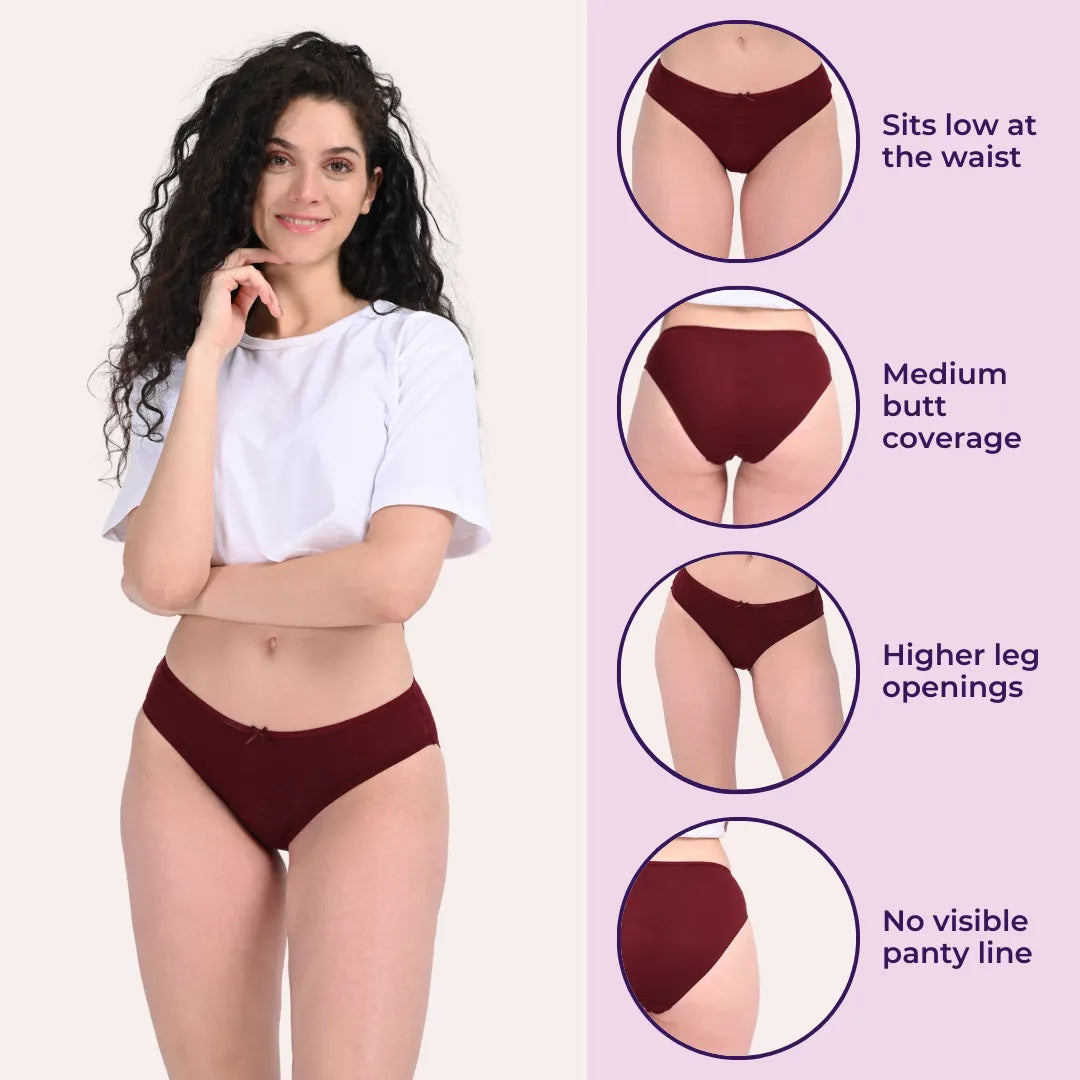
If your everyday innerwear feels tight or uncomfortable after a few hours, switching to a softer, well-fitting style can make a difference. Adira Cotton Panties are designed for everyday comfort with a comfortable fit and soft fabric.
2. Look At The Waistband, Seams And Edges
Sometimes the problem isn't the overall size. It is one particular part of the innerwear.
A waistband that feels slightly firm can become much more noticeable after sitting, walking, commuting or working for several hours. Similarly, rough seams, bulky edges or elastic around the leg openings can rub against the skin as you move.
Chafing is more likely when there is repeated rubbing between clothing and skin, especially around areas that experience movement throughout the day. Proper fit and paying attention to seams and edges can help reduce unnecessary friction.
When trying a pair, don't only check how it feels while standing. Walk around, sit down, bend and move normally. If you experience discomfort from thigh rubbing during the day, Adira Under Dress Shorts can provide an extra layer between the thighs. They can be worn under dresses and skirts for added coverage and comfort.
Your innerwear should stay comfortably in place without becoming something you have to think about.
3. Pay Attention To The Fabric
The fabric sitting against your skin for eight, ten or even twelve hours can make a big difference to how comfortable you feel.
Some fabrics may feel smooth and soft when you first put them on but may feel less comfortable once you have been sweating or moving around for hours.
Breathability matters because moisture and heat can build up in areas covered by innerwear. Cleveland Clinic notes that less breathable underwear can trap moisture, while breathable options can help keep the area drier. This doesn't mean you have to choose one fabric for every situation. Instead, think about what your day looks like.
For a long workday, you may prefer a soft, breathable pair. For exercise, a fabric designed to manage sweat may feel more comfortable. For a relaxed day at home, you may simply want something soft and easy to wear.
The best fabric is often the one that works with your routine rather than against it.
4. Notice What Happens When You Sweat
Your innerwear may not actually be uncomfortable at the start of the day. Sweat could be the reason it feels uncomfortable later.
Walking to work, exercising, travelling, sitting in a warm office or simply spending a hot day outdoors can increase moisture around the body. Once fabric becomes damp, you may start noticing more rubbing, stickiness or irritation.
If sweating is making your innerwear uncomfortable, Adira HYDRASKIN™ Sports Panty is designed for active movement and moisture management. It can be a suitable choice for workouts, walking, running, and other active days.
This is particularly important in warm and humid weather.
If you regularly feel uncomfortable after sweating, look for innerwear that is comfortable for active days and change out of damp clothing after exercise when possible. Cleveland Clinic also recommends changing into clean, dry clothing after exercising or swimming to help reduce irritation.
And if your panty becomes noticeably damp during the day, changing into a fresh pair can make a surprisingly big difference.
Source: Cleveland Clinic — Skin Protection: Tips To Prevent Chafing
5. Make Sure The Style Matches Your Day
A style that works perfectly under one outfit may not be the most comfortable choice for another.
For example, the innerwear you love under a loose dress may feel completely different under fitted trousers. A pair that feels fine during a desk job may move differently during a long commute or a busy day on your feet.
Think about your movement as well as your outfit.
Are you:
-
Sitting for most of the day?
-
Walking or commuting for long periods?
-
Working out?
-
Wearing fitted clothing?
-
Travelling?
-
Spending the day outdoors?
Your innerwear should support the way you move. During your period, comfort can also depend on having the right coverage and protection. Adira Period Panties are designed with extended leakproof coverage and can be used with a sanitary pad for additional protection.
If you find yourself adjusting a particular style every time you wear it, don't assume you simply have to get used to it. Try a different cut, coverage or construction and see whether the problem disappears.
6. Don't Forget Your Laundry Routine
Sometimes the problem isn't the innerwear. It is what remains on the fabric after washing.
Detergents, fragrances and other laundry products can irritate sensitive skin in some people. Cleveland Clinic specifically recommends mild, fragrance-free detergents for people who experience vulvar irritation and suggests washing new panty before wearing it.
If your innerwear feels itchy or irritating even when the fit seems right, take a closer look at your laundry routine.
You can try:
-
Using a mild, fragrance-free detergent
-
Avoiding heavily scented fabric products
-
Rinsing panty thoroughly
-
Washing new innerwear before wearing it
-
Keeping sweaty innerwear from sitting unwashed for too long
Small changes here can make a noticeable difference if your skin is sensitive to certain products.
7. Check How Old Your Innerwear Is
Your favourite pair may have been incredibly comfortable when you first bought it. But innerwear doesn't stay exactly the same forever.
Repeated washing and everyday wear can affect elastic, fabric stretch and overall shape. A waistband that once felt comfortable may start feeling tighter, while leg openings may lose their original fit.
Look for signs such as:
-
Loose or stretched-out elastic
-
Fabric that has become rough
-
Seams that feel different
-
Areas that have become thinner
-
The garment no longer sitting the way it used to
-
More frequent adjusting than before
If a pair has changed shape and no longer feels comfortable, replacing it may be more useful than trying to make it work.
Why Does Innerwear Feel More Uncomfortable At The End Of The Day?
If your innerwear feels fine in the morning but uncomfortable by evening, look at what changed during those hours.
You may have spent most of the day sitting. You may have walked more than usual. You may have sweated. Your clothes may have rubbed against the same area repeatedly. Or the waistband may simply have been pressing against your skin for several hours.
In other words, end-of-day discomfort can be a combination of fit, fabric, movement, moisture and time.
That's why simply choosing a "soft" pair isn't always enough. The right innerwear should also suit your body, your clothing and the activities you do throughout the day.
A Simple Comfort Check
Before buying your next pair of innerwear, ask yourself these seven questions:
1. Does it fit comfortably without digging in?
2. Does the waistband stay in place without feeling restrictive?
3. Are the seams and edges comfortable against your skin?
4. Does the fabric work well for the weather and your activity?
5. Does the style stay comfortable when you sit, walk and move?
6. Could your detergent or laundry routine be causing irritation?
7. Has the innerwear lost its original shape or elasticity?
If you can identify the specific problem, finding a more comfortable option becomes much easier.
When Should You Pay Attention To Persistent Irritation?
Occasional discomfort from fit, sweat or friction is different from persistent itching, burning, pain, redness or unusual discharge.
If irritation continues even after changing your innerwear, laundry products or clothing habits, don't assume that the innerwear is the only cause. Skin conditions, infections, allergies and other issues can also cause genital or vulvar irritation.
If symptoms persist, become severe or interfere with your everyday activities, speak with a healthcare professional rather than trying to self-diagnose the problem.
The Bottom Line
Your innerwear shouldn't be something you spend the whole day adjusting.
If it feels uncomfortable by evening, start by checking the basics: fit, waistband, seams, fabric, moisture, style, laundry and wear.
Sometimes the solution is as simple as changing the size. Sometimes you need a different style or fabric. And sometimes, an old favourite has simply reached the end of its comfortable life.
The goal isn't to find innerwear that you can tolerate all day.
It's to find innerwear that feels so comfortable that you barely notice you're wearing it.
Disclaimer: This article is for general information only and is not intended to replace professional medical advice, diagnosis, or treatment. If you have persistent or severe irritation, pain, itching, or other unusual symptoms, please consult a qualified healthcare professional.